
Professional Pedicure
Feet | Professional Pedicure
The Pedicure Specialists
Why is consistent Foot Care important?
A thorough aesthetic pedicure is necessary in all seasons of the year since having healthy feet is often a fundamental prerequisite for the well-being of the entire organism.
The foot, in addition to being the basis of our supporting structure and circulation, is a complete reflexology site capable of transmitting emotions throughout the body. Therefore, proper daily care not only ensures the maintenance of its mechanical and postural properties, but also provides relief and psychophysical health.
When no particular problems are present, foot treatments are gentler and become a source of pleasant and profound relaxation, designed exclusively to make our extremities glamorous and attractive. During these simple pedicure procedures, however, it is helpful to rely on specific, highly eudermic formulations, containing active ingredients with multiple properties that work synergistically with any skin type.
How is it done?
Professional Pedicure
Satisfaction or your money back guarantee
Our Center undertakes to refund the customer 100% of the entire amount paid for any reason or reason, if he is not satisfied with the results and/or the performance of the Complete Professional Pedicure treatment.
Pedicure
Satisfaction or your money back guarantee
Our Center undertakes to refund the customer 100% of the entire amount paid for any reason or reason, if he is not satisfied with the results and/or the performance of the Complete Professional Pedicure treatment.
Main Problems
Feet | Main Problems
Calluses and Corns
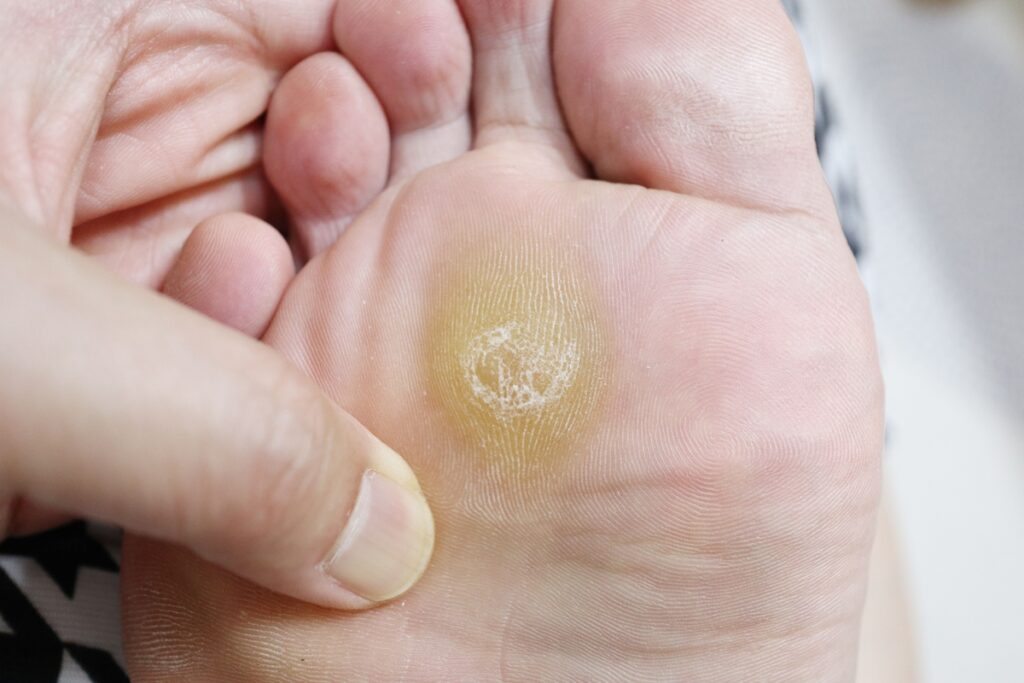
- A Callus, also called corn, is a localized hyperkeratosis that is painful to pressure. Hard corns are found on the dorsum and lateral surfaces of the toes or in the soles of the feet; soft corns, also called corns, are interdigital and appear when the toes are excessively compressed. Removing the thickening provides only temporary relief; the corn usually recurs due to the persistence of its trigger. To eliminate it permanently, it is necessary to determine whether the problem is due to the use of unsuitable footwear or is caused by incorrect static and dynamic position of the foot.
- A Calnus appears as a diffuse hyperkeratotic area of equal thickness, located on the sole of the foot (nucleated corns) or the heel (diffuse corns). The thickening can be more or less bothersome (usually a burning sensation is felt when pressed). Nucleated corns are often confused with plantar warts due to their very similar appearance. In both cases, these are lesions characterized by the presence of a keratin plug, however, palpation can help distinguish: nucleated calluses are more sensitive to pressure from top to bottom, while warts are more sensitive to lateral compression.
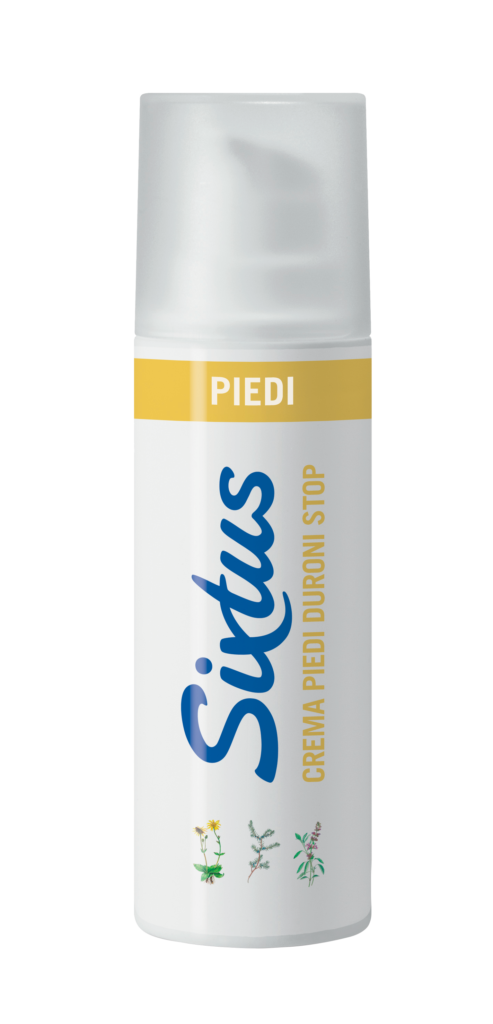
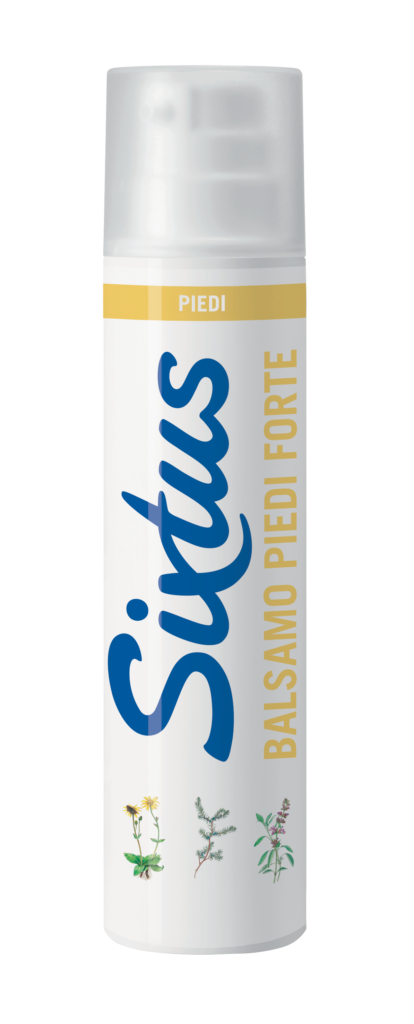
Recommended Products
Strong Foot Balm
Stop Corn Cream
Active Ingredients
- Oneothera Biennis
- Lavandula
- Heliantus Annuus
- Urea
- Acido Salicilico
Recommended product
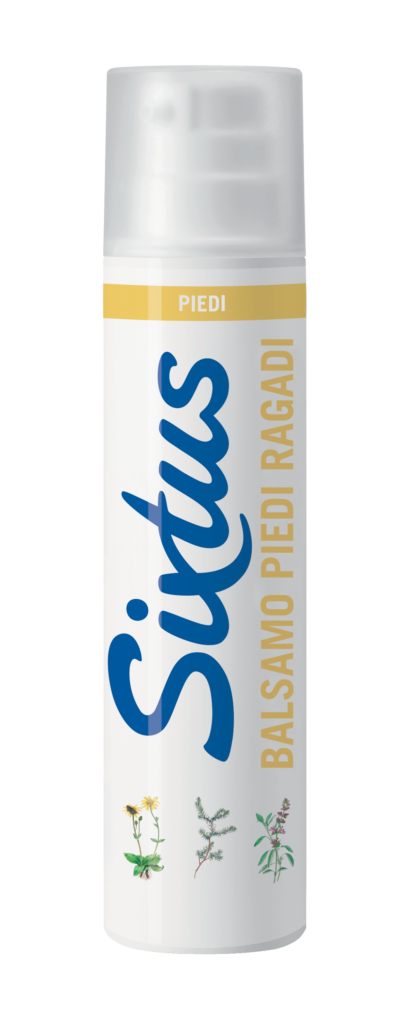
Foot Balm for Cracked Skin
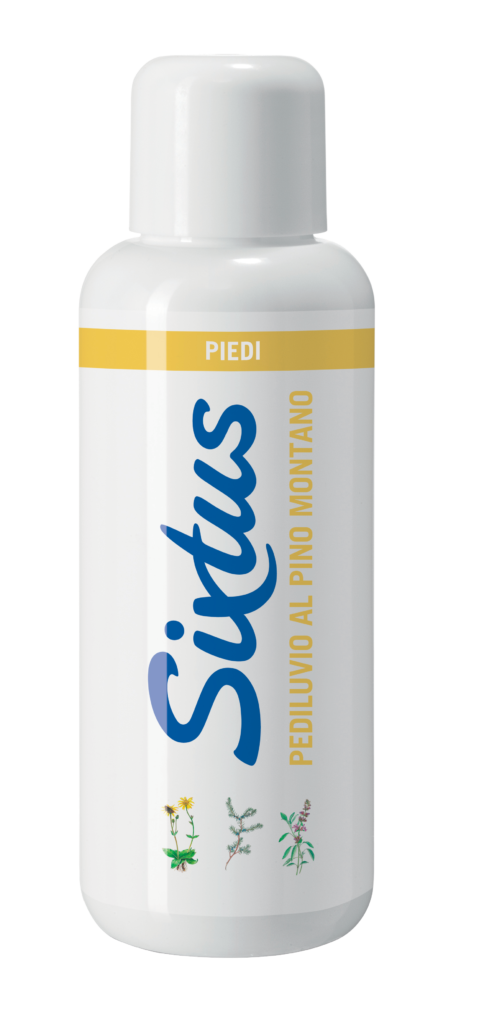
Footbath Milk
Active Ingredients
- Thymus Vulgaris
- Chamomilla Recutita
- Grass Hay
- Picea Abies
Ragadi
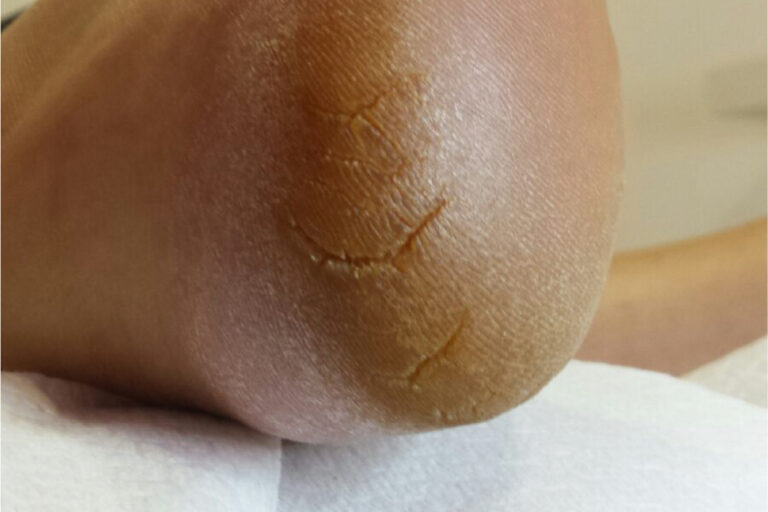
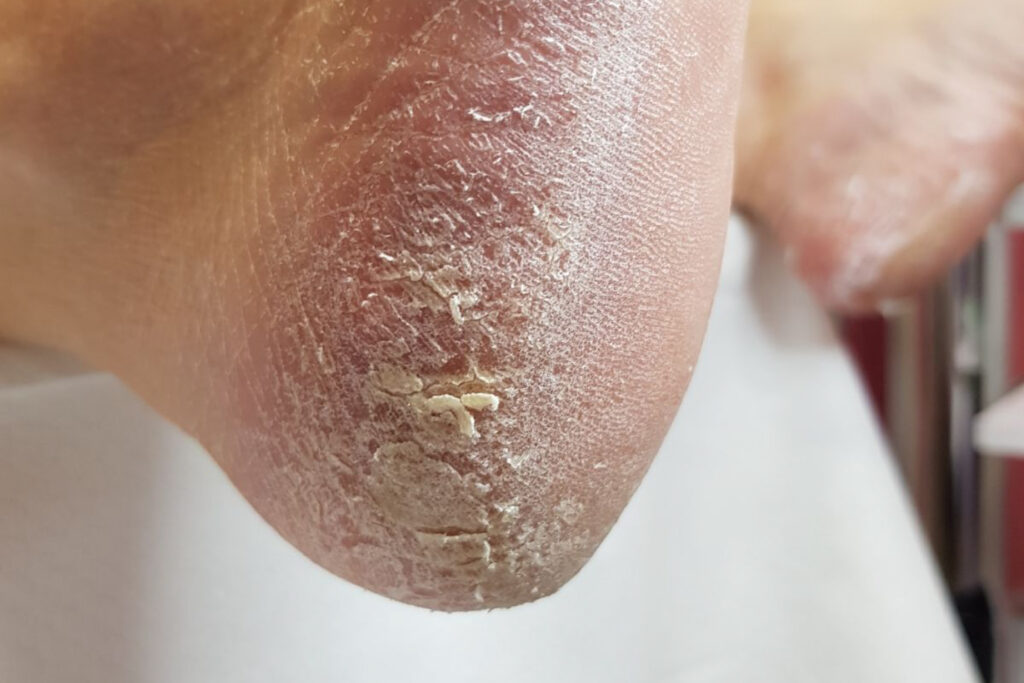
Cracked heels are a fairly common skin disorder. They are real skin cracks that form mainly on the heel area or in the interdigital spaces. Generally, cracks are preceded by the appearance of itching, darkening of the skin, and pain in the feet while walking.
The main cause of their onset seems to be excessive dryness of the foot: particularly dry skin tends to crack easily and when cracked heels do not receive proper care and attention, through the constant application of moisturizing and nourishing creams, these annoying cracks can split open and even bleed.
On the other hand, moisture can also cause the appearance of cracks. In this case, fungi and bacteria easily take hold where sweat is present and weaken the skin, creating fissures. However, very often cracks do not depend on a single cause; in most cases, the skin tears as a response to a combination of factors that progressively damage it: use of aggressive cosmetics, age, habit of prolonged standing, conditions such as psoriasis, use of open footwear, overweight, pregnancy, and certain metabolic diseases such as hypothyroidism and diabetes.
Dry Feet
Water, just like lipids (fats) present at the epidermal level, is an essential element for skin well-being. Extrinsic factors (temperature changes, use of aggressive cleansers, certain pharmacological treatments…) and intrinsic factors (stress, aging, hormonal imbalances, smoking…) can alter the normal hydrolipid balance of the skin causing skin dryness, redness, cracking, reduced resistance to external agents, and easy irritation. Inflammatory manifestations and itching are often associated disorders.
Dry skin, more easily than other skin types, slows down cell turnover and thickens with the formation of hyperkeratosis (calluses and corns), which prevent moisturizing agents from penetrating.
To address these imbalances, it is necessary not only to reduce the thickness of the stratum corneum to allow functional substances to penetrate, but also to promote the normal biological hydration mechanism by strengthening the skin barrier (stratum corneum/hydrolipid film), in order to help the skin retain water and prevent excessive evaporation.
Recommended product
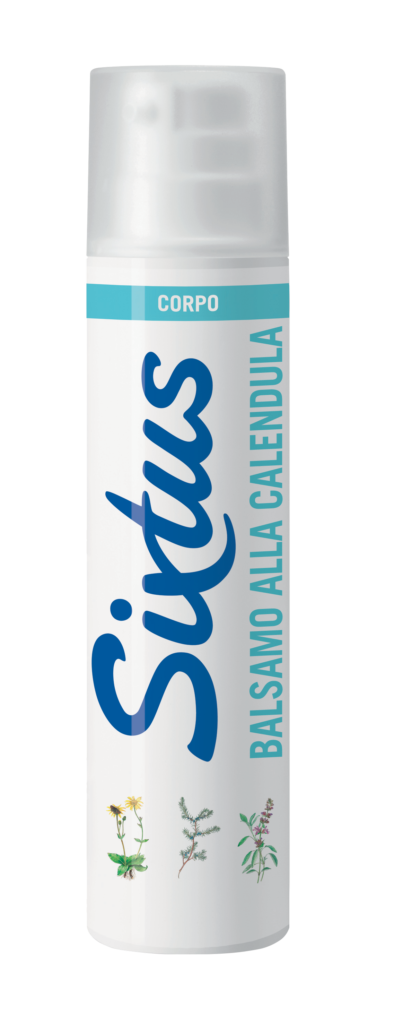
Calendula Foot Balm
Foot Bath Milk
Active Ingredients
- Calendula
- Myrtus Communis
- Agropyron Repens
- Picea Abies
Recommended Products
Chlorophyll Foot Balm
Barrier Foot Deodorant
Active Ingredients
- Clorofilla
- Salvia Officinalis
- Pinus Pumilio
- Eugenia Caryophyllus
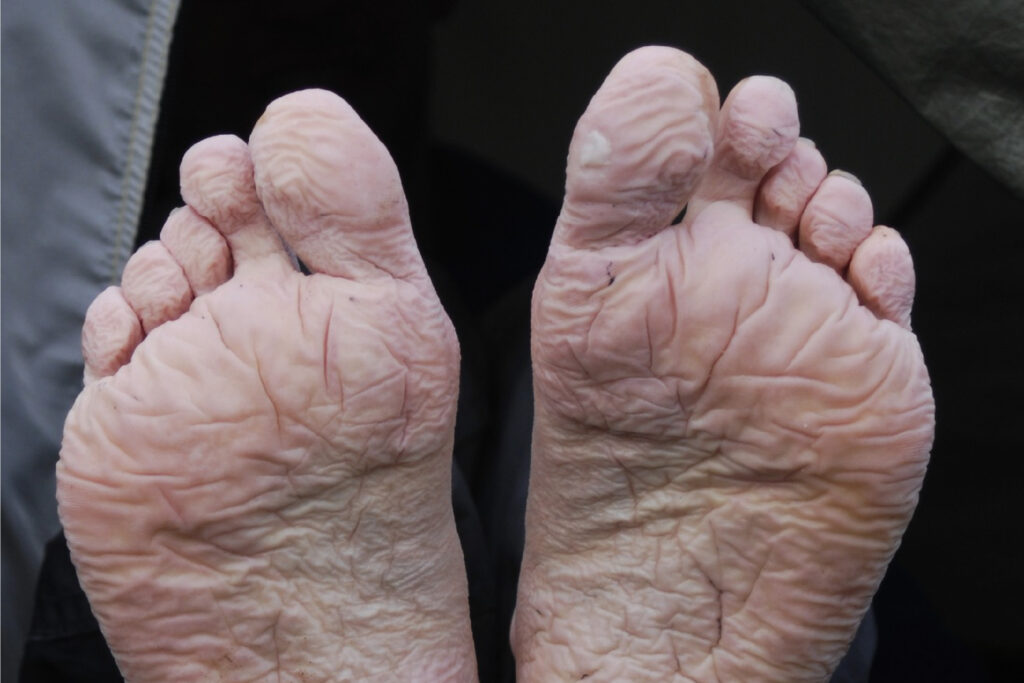
Wet and Smelly Feet
Sweating is a physiological process that is beneficial to the body, as it helps maintain proper thermoregulation during periods of excessive heat, allows the elimination of waste products, and moisturizes the stratum corneum, preventing it from drying out.
The intensity of physiological sweating in the plantar area can reach high levels not only during sporting activities, situations of psychological stress, and exposure to heat, but also following prolonged use of synthetic socks and footwear that do not allow adequate foot breathability. Hyperhidrosis is often associated with an embarrassing bad odor.
The development of so-called “foetor pedis” does not depend exclusively on sweat, which is odorless in itself, but is generated by its chemical decomposition by microorganisms (bacteria, fungi…) present in footwear.
Sometimes, bad odor can also arise from skin maceration; in fact, sweating, together with the high temperature inside shoes, causes the “breakdown” of the stratum corneum and the release of sulfur-containing amino acids responsible for the unpleasant odor.
Old Man's Foot
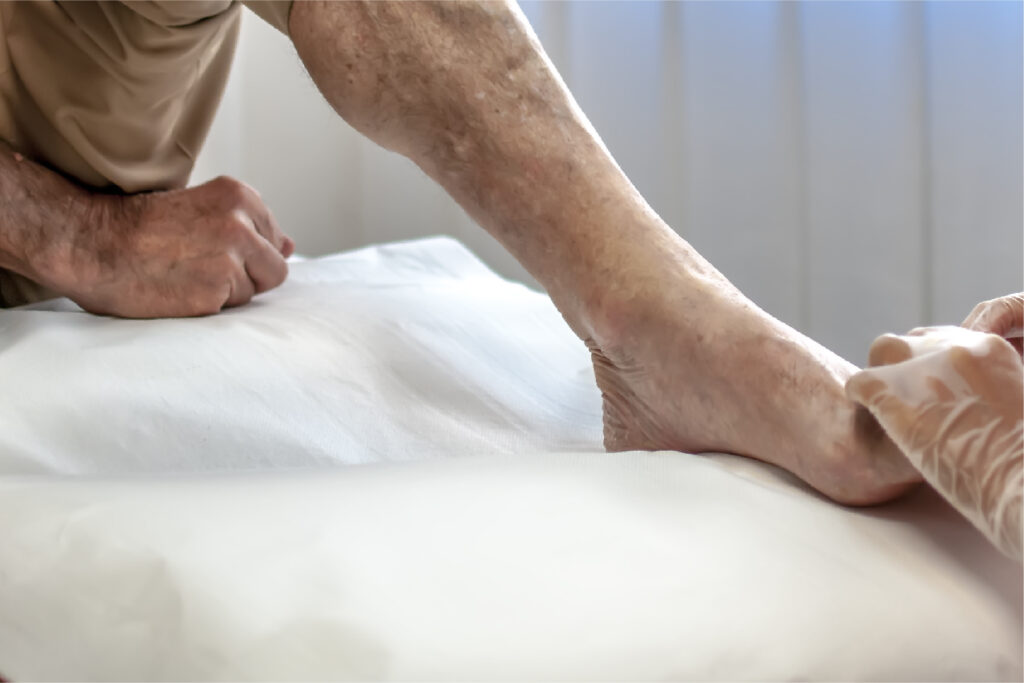
Elderly individuals generally present what is defined as a “COMPLEX FOREFOOT”, namely a combination of major and minor deformities resulting from age and incorrect foot support, whose presence becomes highly limiting.
In addition to this, circulatory system dysfunctions are often present, aggravated by limited movement, which leads to swelling and fatigue of the feet, as well as rheumatic diseases affecting the joints and metabolic disorders such as diabetes, with morpho-functional alterations of the extremities and the onset of so-called “claudication” (pain that occurs in the calf or thigh after a certain number of steps, due to the fact that the arteries of the leg, receiving less blood than necessary, are unable to increase blood flow during walking).
The aesthetic operator will intervene only when specific skin manifestations are present: translucent skin, skin pallor associated with reduced temperature, skin dryness, thin and poorly elastic skin, mycotic nail infections, cracks… For all other complications, referral is made to the attending physician.
Recommended Products
Sixtusmed Foot Balm
Active Ingredients
- Ginko Biloba
- Arnica Montana
- Citrus Dulcis
Recommended product
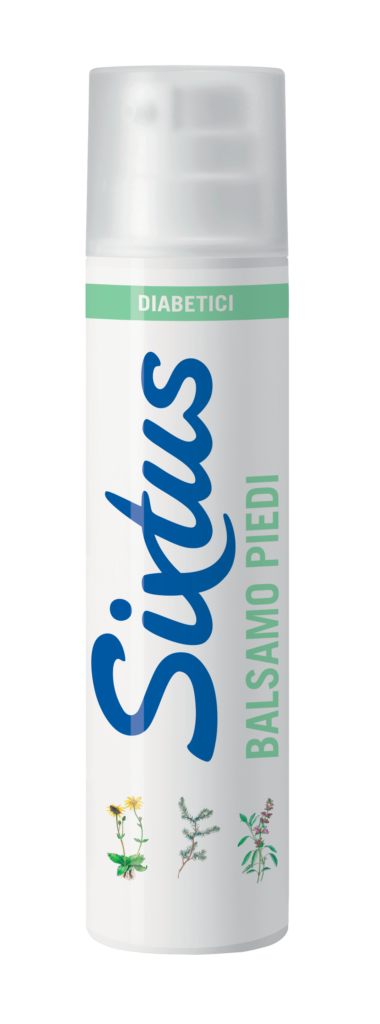
Diabetic Foot Balm
Active Ingredients
- Clorofilla
- Salvia Officinalis
- Pinus Pumilio
Diabetic Foot
Diabetes is a chronic metabolic disorder linked to elevated levels of glucose in the blood, a condition known as hyperglycemia.
Over time, diabetes can lead to numerous and serious complications; among the most frequent, a condition known as “diabetic foot” may develop.
Diabetic foot is the result of complications affecting blood circulation and the peripheral nervous system.
The narrowing of the arteries (vasoconstriction) leads to a reduction in blood flow to the extremities (peripheral arterial disease).
Damage to the peripheral nervous system leads to a reduced sensitivity to pain (diabetic neuropathy), with a greater likelihood of injury or difficulty in recognizing situations of distress (for example, unsuitable footwear).
Thickened nails
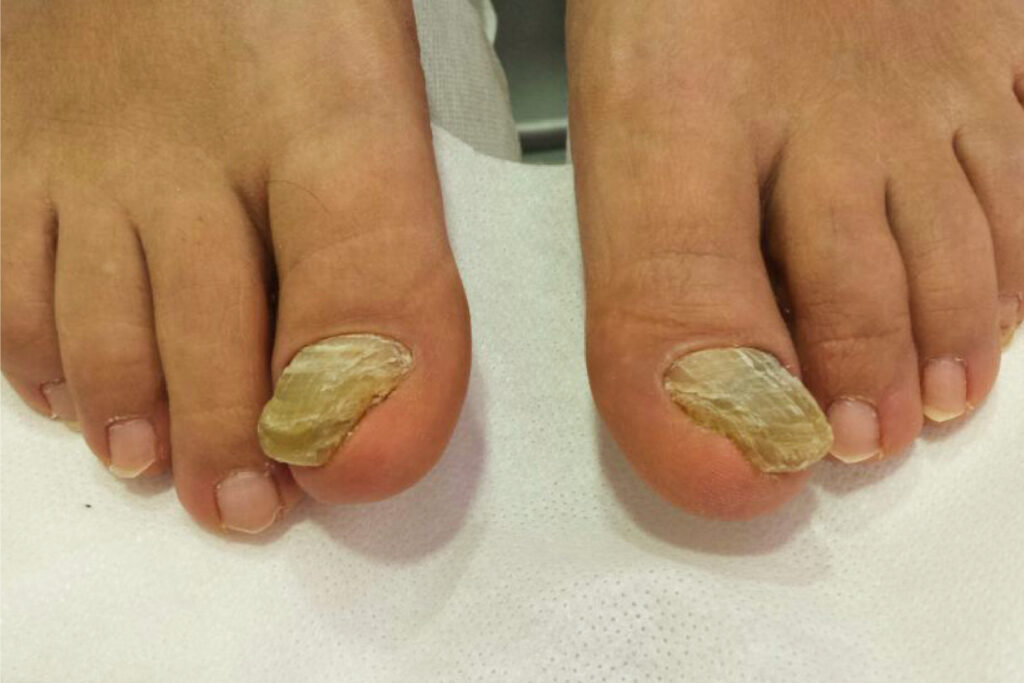
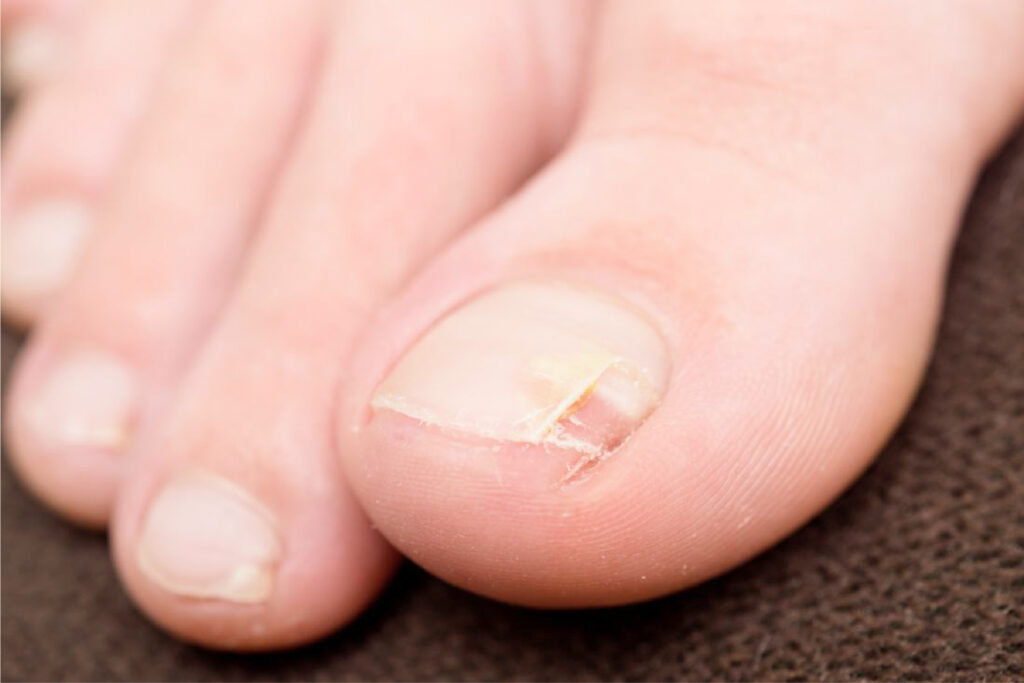
Thickened nails, hypertrophic nails, are identified by the terms Onychauxis and Onychogryphosis and may be the result of trauma or fungal infections. They are very common in the elderly and are part of the geriatric foot condition.
Excessive nail thickness makes trimming difficult and, if neglected, over time can cause excessive pressure on the nail bed and pain.
The main causes of thickened nails are major trauma or repeated microtrauma caused by improper footwear, which leads to permanent damage to the nail matrix, nail fungal infections, or chronic skin conditions such as eczema, psoriasis, etc.
Onychogryphosis defines a deformed nail that grows curved and excessively thick in a non-uniform manner.
The nail takes on a brown or yellowish color and is characterized by evident surface ridges.
It is very common in the toenail of the big toe but can occur on all toes.
It may be due to major trauma or repeated microtrauma caused by improper footwear, leading to permanent damage to the nail matrix.
Recommended Products
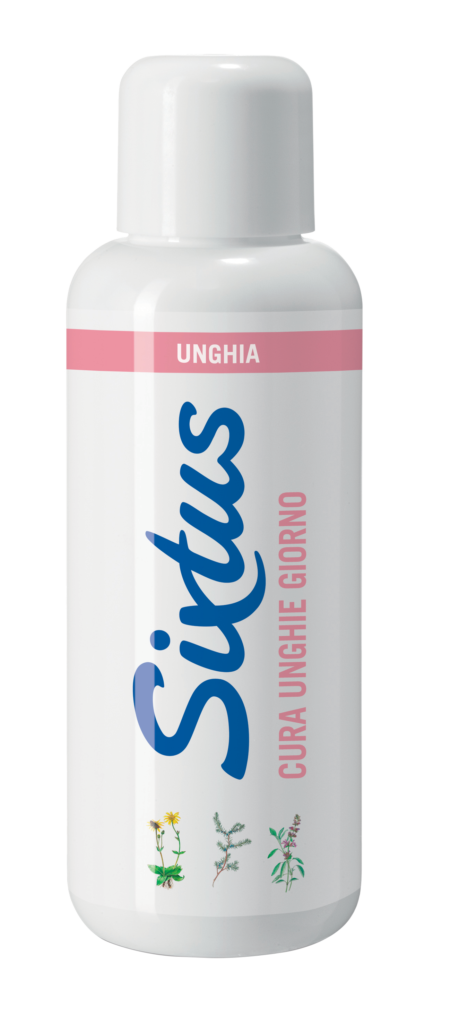
Daily Nail Care
Strong Foot Balm
Principi Attivi
- Ginko Biloba
- Arnica Montana
- Citrus Dulcis
- Satureja Hortensis
- Citrus Limonum
- Allantoina
Recommended product
Strengthening Night Nail Cream
Nail and Cuticle Oil
Active Ingredients
- Satureja Hortensis
- Allantoina
- Citrus Limonum
- Rosa Canina
Brittle Nails
Gel nail reconstruction often risks weakening the nail plate, which becomes thinned and severely damaged.
Fragile nails are characterized by alterations in structure and shape, which make them lacking in elasticity and prone to breakage. They are observed as part of the symptomatology of nutritional deficiencies, dermatological conditions, trauma, and systemic diseases.
Fragility may present with vertical ridges and fissures (onychorrhexis).
Onychorrhexis is common in females and in the elderly; it may represent the consequence of repeated microtrauma or dermatological disorders.
Aging is also a common cause of fragility, especially when combined with environmental factors that promote dehydration at the nail level. Smoking and onychophagia often worsen the condition.
Nail Fungus
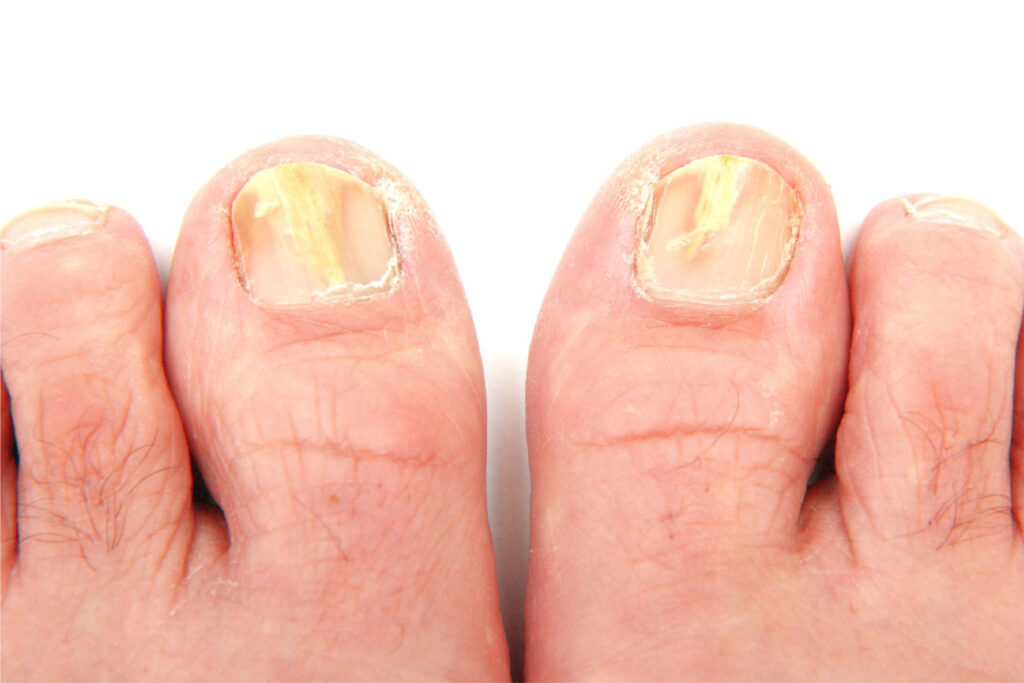
Nail fungi represent a very widespread and highly contagious dermatological condition. It is an infection that begins with the formation of a small white, yellow, brown, or green spot on a localized portion of the nail (usually the tip), and over time progresses to involve the entire nail plate.
As the infection spreads, the nail thickens, crumbles at the edges, and detaches from the nail bed (onycholysis), causing pain and emitting an unpleasant odor.
Nail mycoses – also known as “onychomycosis” – are a very common type of nail disease.
Technically, the term “onychomycosis” refers to a nail disorder triggered by microorganisms called fungi: these fungi, molds, or yeasts cause the infection, which may remain confined to a single nail or may also affect others.
Naturally, the cause of onychomycosis is a fungal infection that develops on the nails, attacking them and profoundly altering their structure.
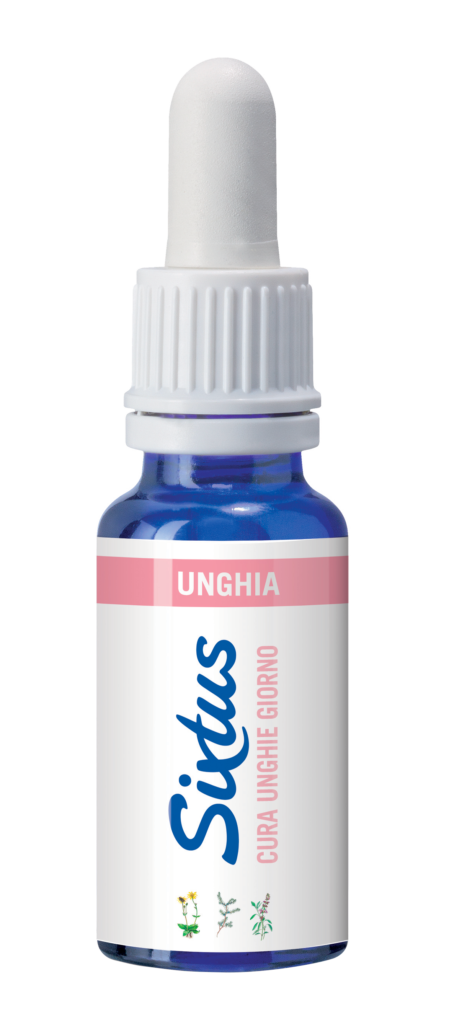
Recommended Products
Sixtan Forte Day Cream
Night Strengthening Nail Cream
Active Ingredients
- Satureja Hortensis
- Allantoina
- Citrus Limonum
Professional Pedicure
Complete Professional Pedicure
Duration Approximately 1 hour
€ 28,00
Pedicure Callus Ultra
Duration Approximately 1 hour
€ 35,00
Professional Pedicure Six-Monthly Subscription
€25.00 / Month
Annual Professional Pedicure Subscription
- the most requested